Use and environment
Bedtime, storytelling, tracing and learning require different distances, surfaces, controls and light targets.
Story and learning projection
Send the viewing environment, image set, desired size and interaction. We define optics, brightness, focus, content media, audio synchronization, enclosure and the first projection proof.
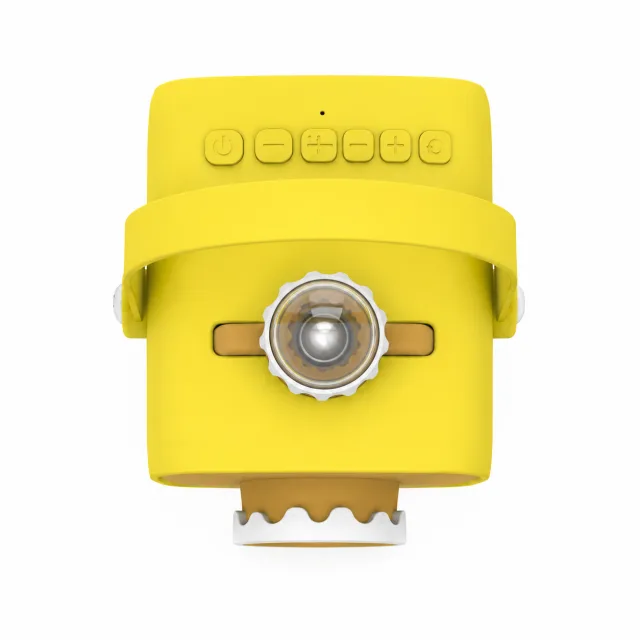
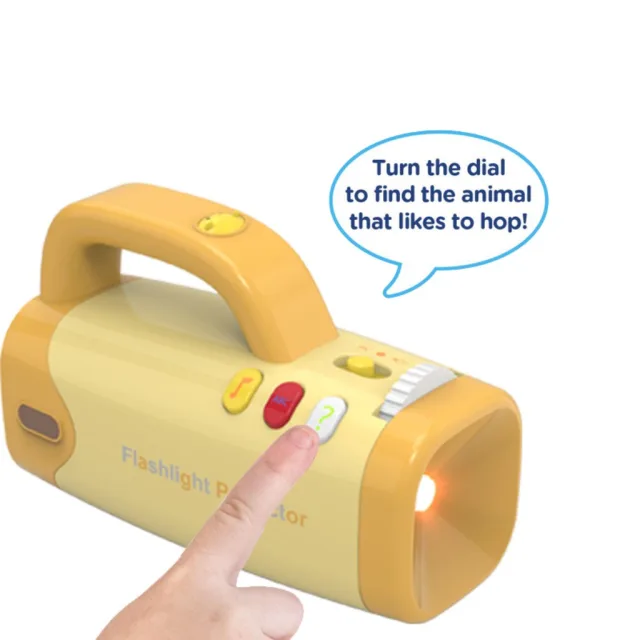
Optics + content + environment + controls
A simpler start
A sketch, character, specification or reference product is enough for an initial feasibility review.
Clear portfolio role
Develop child-focused projection products that coordinate optics, content, audio, controls, power and enclosure decisions.
Generic night lights and audio-only products stay outside this property; projection must be central to the product experience.
What this team solves
Every capability below connects to the same brief, approvals and target launch.
Bedtime, storytelling, tracing and learning require different distances, surfaces, controls and light targets.
Lens, LED, focus, image size, heat and power are reviewed against the real viewing condition.
Disc or card dimensions, image order, artwork safe areas and manufacturing tolerance enter one template.
Narration, music, image changes and controls are mapped before the complete story pack is produced.
Tripod, grip, buttons, disc access and child-scale interaction protect alignment and durability.
Brightness, focus, color, image order, audio, heat, labels and packaging are checked in a pilot set.
Buyer advantage
Brightness and image size cannot be specified in isolation. The first optical review connects distance, ambient light, surface, content and power before enclosure or disc tooling.
Review My ProjectorApproval-led process
The next stage starts only when the current product decision is documented well enough to protect cost, quality and schedule.
Define the user, environment, product behavior, target market, quantity and launch constraint.
Resolve the product architecture and the assumptions that materially change feasibility or cost.
Test the highest-risk interaction with enough real content and materials to support a decision.
Lock the specification, acceptance criteria, production tests, packaging and ownership schedule.
Use a controlled pilot, inspection plan and versioned files to protect scale-up and delivery.
Interactive buyer tool
Choose the product mode, room light, projection distance, image count and audio, then add your details. Send once and we reply with the optical plan and the sample proof required before styling.
Set the room and optical assumptions, then add your details. One send returns the optical plan and reaches the engineers who prove it on a sample.
Working recommendation
One send returns this optical plan and reaches the engineers who prove it on a sample. It is a planning aid, not a final engineering, cost or compliance decision.
Representative project patterns
These anonymized patterns demonstrate scope and process. Customer names and measured results require publication permission before indexing.
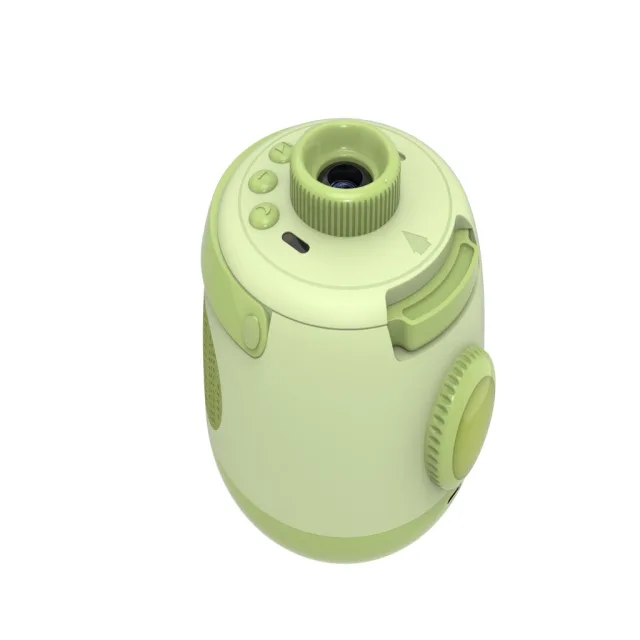
Dim-room brightness, story order and synchronized narration resolved in a representative scene set.
Review the decision path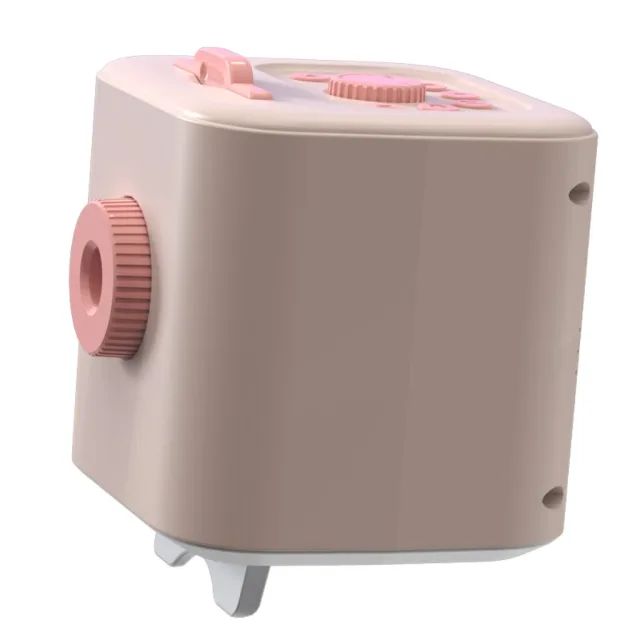
Desk distance, stability, focus and image template coordinated around tracing use.
Review the decision path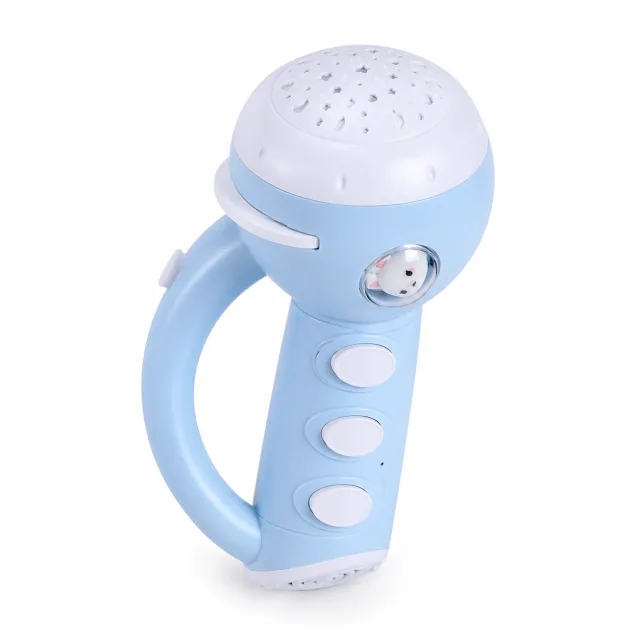
Frame safe areas and disc tolerances tested before the complete artwork pack.
Review the decision pathIndexability gate
Indexing requires current optical demonstrations, prepared content examples and photographs that disclose distance and ambient light.
Prepare a better brief
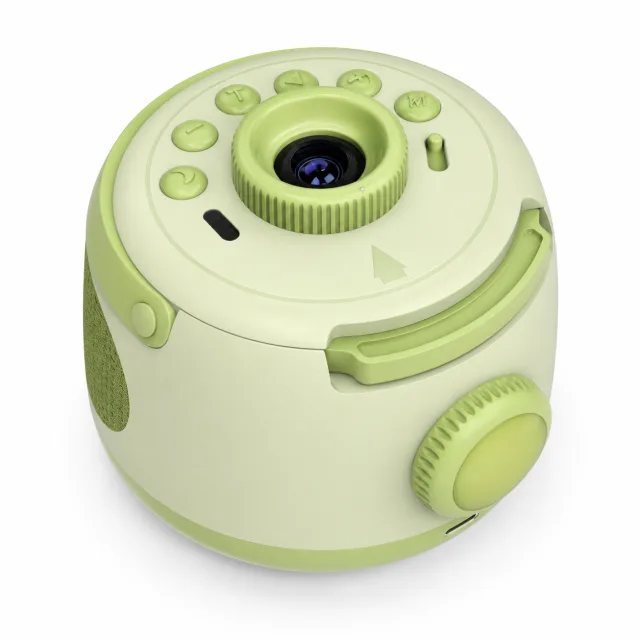
Prepare image order, safe areas and frame IDs.
Use this resource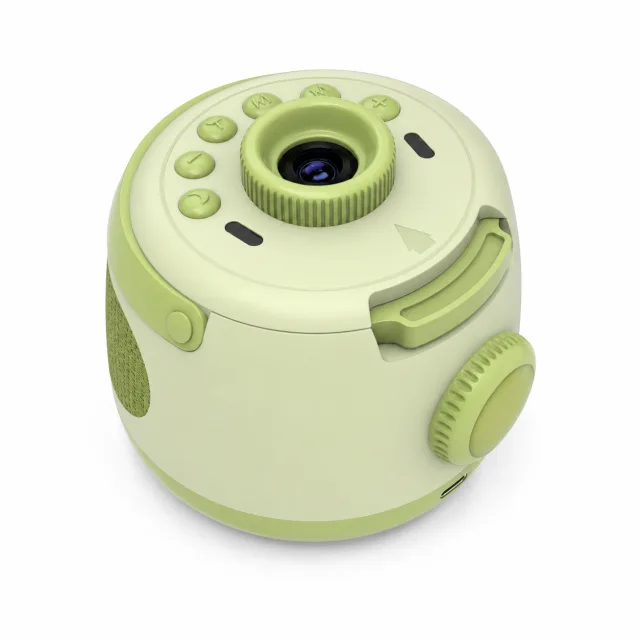
Record distance, surface and ambient light before review.
Use this resource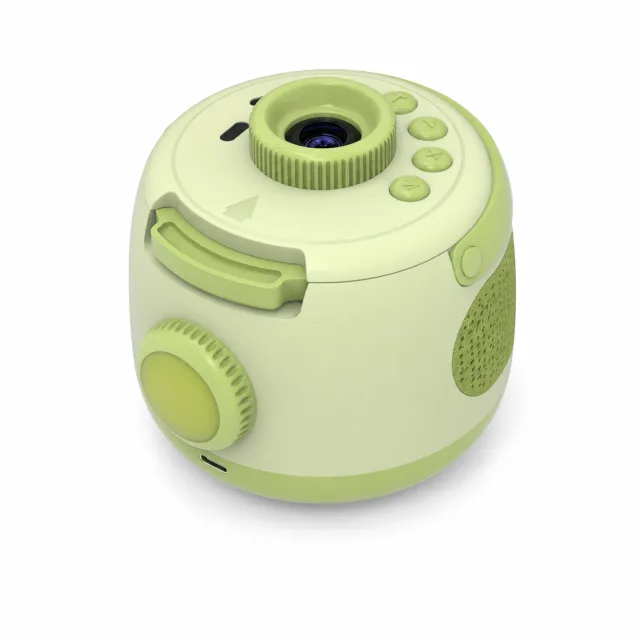
Map narration and image changes on one timeline.
Use this resourceNo. Distance, ambient light, image size and power create tradeoffs. The optical review defines a realistic use condition.
No. A representative set can validate brightness, focus, color and disc behavior before full content production.
Yes when projection remains a central function and the lighting, heat, controls and power behavior are defined together.
It should show usable image size, focus, brightness and content behavior in the intended viewing environment.
Your brand, characters, artwork and content remain yours. Ownership of paid custom deliverables is defined in the signed agreement, while Chloe Toys retains its pre-existing tools, reusable technology and manufacturing know-how.
Who we build for
These teams trust us with the projection products they put their name on.





















Common question
Yes, this site covers custom child-focused projection products from concept through production. You send the viewing environment, image set, desired image size and interaction, and the team defines optics, brightness, focus, content media, audio synchronization, enclosure and a first projection proof. Projection has to be central to the product, so generic night lights and audio-only items sit outside this scope.